

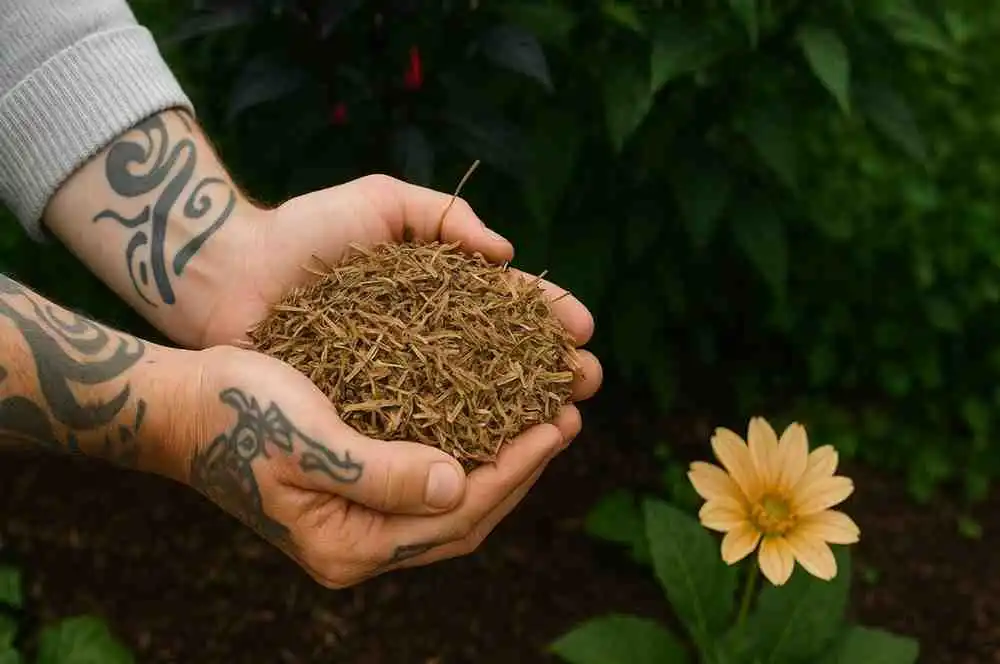
Transforming Waste into Nutrient-Rich Soil
When I first tried to start composting, I was amazed at how this simple process turns everyday organic waste into rich, nutrient-filled soil. It’s one of the easiest and most rewarding ways to help your garden thrive. Whether you have a small space or a large yard, composting makes a real difference to the earth. Instead of sending food scraps or yard clippings to the dump, you can recycle them naturally — and the best part is using the resulting fertilizer to nourish your plants, creating a beautiful cycle that supports life while reducing waste.
I’ve found that when you start composting as part of your yard routine, the whole process becomes fun and rewarding. Simply gather organic materials like food scraps, grass clippings, and leaves, and layer them carefully. Over time, nature will take over, turning everything into a dark, crumbly substance that your plants love. It’s incredible to see how gardens improve in health and vibrancy with a consistent composting habit. Using your own homemade fertilizer not only saves money but also helps recycle waste, making your earth a little greener with each handful of soil you nurture.
Building the Perfect Compost Mix
From my experience, the magic of compost lies in its dark, crumbly texture made from simple organic materials you already have at home. When you start composting, you’ll find joy in collecting grass clippings, coffee grounds, veggie peels, and leaves — watching them break down into rich material that transforms your soil is truly satisfying. A well-balanced mix not only creates healthier conditions for growing plants but also produces nutrient-rich compost that helps your garden thrive naturally.
Once you start composting and begin layering these materials, you’ll quickly notice how roots grow stronger and overall plant health improves within weeks. Each scoop of compost feels like giving life back to the garden — it’s a tangible way to see your efforts enrich the soil and help plants grow faster and thrive naturally. The transformation from kitchen scraps and yard trimmings into nutrient-rich compost is an experience every gardener, whether a beginner or seasoned pro, should witness.
Your First Steps to Composting Success
When you start composting, you’ll realize you don’t need complex science or advanced farming techniques—just a desire to learn and help the earth is enough. Choose a spot in your yard and set up a compost bin where food waste, green materials like fresh grass clippings and veggie scraps, and brown materials such as dry leaves, cardboard, and straw can be layered. This creates the perfect environment for everything to break down naturally, letting the earth do most of the work for you.
With patience, time, water, and the right mix of resources, your pile will transform efficiently. If you want to make a real difference in your garden, it’s the perfect time to start composting. I found that paying attention to balancing green and brown things accelerates decomposition and keeps the compost healthy. Watching nature work and seeing everyday food and yard waste turn into rich, nourishing soil is incredibly rewarding—it makes your yard more sustainable and provides a practical way to help the earth while enhancing your garden.
Beginning Your Composting Journey
When you start composting, the process can be surprisingly fun and rewarding. The first step is to choose a method that fits your space and gardening experience. There are many options, from large outdoor piles to smaller indoor bins, so everyone can find a solution that works. I like to begin with a pile in a garden corner, layering organic waste like grass clippings, leaves, and vegetable scraps. With the right balance of nitrogen-rich green materials and carbon-rich brown materials, nature gradually takes over, breaking everything down over a few weeks. Turning the pile adds air and oxygen, helping the microorganisms work faster and making the composting process more efficient.
If you have less room, a bin is perfect for flats or smaller yards. When you start composting in a bin, there are many options: you can buy one ready-made from stores, or get creative with wire, mesh, wooden pallets, or a DIY setup. Ensuring good airflow is essential—adding a thick layer of straw or wood chips at the bottom helps the air circulate. Vegetable worms, like red wigglers, can turn a small space into a vermicomposting system, processing food scraps and leaving nutrient-rich droppings that plants love. I keep mine under the kitchen sink or in a small room, and it’s amazing to see how useful, rewarding, and creative the process can be, while saving waste and naturally enriching the garden.
Choosing What to Compost
When deciding what to compost, I always start composting by looking at what’s alive and natural in my trash pile. Everything from food waste to fruits, vegetables, coffee grounds, grass clippings, leaves, and even small branches can be composted. These materials add vital nutrients to your compost, making it richer for the yard and helping your plants grow strong. Using them wisely allows you to recycle everyday waste while making a real difference in soil health and plant vitality.
It’s just as important, when you start composting, to avoid foods like meat, dairy, or items high in fat, because they attract rodents, bugs, and unpleasant smells as they break down. Likewise, weeds with seeds or diseased plants should not enter the compost, since they can cause problems and spread illness in your yard. Maintaining a balance between greens (nitrogen-rich materials like grass clippings and fruit peels) and browns (carbon-rich items like straw, dried leaves, and cardboard) keeps the soil structure healthy and speeds up decomposition. I also like making compost tea with worm castings to give plants an extra nutrient boost while keeping my compost pile odor-free.
Understanding the Composting Process
Watching nature work its magic when you start composting has been one of the most rewarding parts of my gardening journey. As you add organic matter to the compost, bacteria, fungi, and other important microorganisms break down the materials, turning them into nutrient-rich compost over time. Depending on the type of compost, this process can take several weeks or months to complete. Factors such as temperature, moisture, and the kinds of materials you’re composting influence the timeline, making it a dynamic and fascinating process to observe.
Maintaining the right moisture is key when you start composting. Your compost should feel like a sponge—wetted but not soaked. A handful that falls apart is too dry, so adding a little water on top keeps the pile moist. If it becomes too wet or forms clumps, adding browns like dried leaves or cardboard helps absorb the excess moisture. Regularly turning your compost ensures proper aeration, allowing air to flow through the pile, which speeds up decomposition and prevents odors by providing enough oxygen. Every few weeks, turn the compost, mix the ingredients, and watch as nature breaks down the pile evenly, transforming it into rich, nutrient-packed soil for your yard and plants.
Why Composting is So Beneficial
One of the most rewarding aspects when you start composting is seeing your garden thrive. Once your compost is ready, you can use it as a natural fertilizer to improve soil structure, helping it retain water and keeping your plants healthy. This simple process allows your garden to flourish without relying on chemical fertilizers, making it both safer and more sustainable. From personal experience, adding compost to my yard has been one of the most satisfying parts of maintaining a vibrant, thriving garden.
When you start composting, it helps manage food scraps, yard waste, and other organic materials, keeping them out of landfills. This benefits the environment by lowering greenhouse gas emissions. Methane, a powerful greenhouse gas, is produced when organic waste decomposes in landfills. By encouraging aerobic decomposition, which produces far less methane, composting helps address this problem. It’s amazing to see how a simple gardening practice can improve both your yard and the planet.
Composting and Its Environmental Benefits
When you start composting, it becomes more than just a gardening activity—it’s a positive step for the environment. By supporting a circular economy, composting reduces waste and reuses valuable resources, helping create meaningful change. Personally, seeing how my composting efforts combat climate change and encourage eco-friendly habits has been incredibly motivating. Each compost pile contributes to a healthier Earth for future generations, while recycling and reusing materials promotes long-term sustainability.
As cities grow and more people move in, community composting programs are appearing around the world, encouraging people to start composting food scraps and yard waste together. Joining or starting a group composting project is a great way to connect with neighbors while helping the environment. This hands-on approach not only strengthens communities but also creates a tangible, positive impact on our shared planet.
Tips for a Successful Compost Journey
Some practical tips can make your journey when you start composting much easier. I always keep a composting bin or container in the kitchen so it’s simple to add food scraps. An old bucket or a bin designed to control smells works perfectly. You can add coffee grounds, eggshells, and veggie peels throughout the week without needing to visit the compost pile every time. Following the golden rule of composting—caring for your pile and keeping a balance—ensures a proper mix of browns and greens. Too much nitrogen (greens) can create odors or attract bugs, while adding carbon (browns) balances the pile and keeps decomposition healthy.
Don’t hesitate to experiment when you start composting! You can’t just follow steps blindly—what you use and the weather in your area will make each compost pile unique. Spend time observing and tending your pile, and you’ll soon learn how to turn everyday waste into rich, dark compost. From my experience, patience and attention to detail can transform an ordinary compost pile into a powerful tool for your garden, making every effort truly worthwhile.
Getting the Most from Your Compost
Once you start composting and your compost is ready, it’s time to enjoy the rewards. You can use it in many ways around your yard, such as sprinkling it on flower beds to enrich the soil while helping suppress weeds. Mixing it directly into garden soil before planting creates a nutrient-dense layer that improves water drainage. Personally, I find this step makes a significant difference in the health and vitality of my garden soil.
When you start composting, it also provides a natural way to feed potted plants. Adding compost to your potting mix supplies extra nutrients throughout the growing season, improving soil structure and promoting stronger growth and brighter blooms. In a vegetable garden, compost can make a huge difference. Mixing it into the soil helps retain water, allowing plants to thrive even in dry conditions. Essential nutrients like nitrogen, phosphorus, and potassium ensure that crops—whether peppers, tomatoes, or leafy greens—grow healthy and strong.
Building a Composting Community
Recycling and composting bring people together, and one of the most rewarding aspects of gardening is connecting with others who share your interests. When you start composting, it’s helpful to exchange tips and stories with fellow gardeners, whether through gardening clubs or online groups. Discussing challenges and successes not only helps you learn new techniques but also creates opportunities to make new friends who are passionate about sustainable gardening.
An alternative way to grow your network is to organize a compost swap in your area. When you start composting, even people with limited space or just a small bin can participate, helping build a group of gardeners dedicated to healthy, sustainable practices. Working together strengthens the community while making composting more enjoyable and rewarding for everyone involved.
My Personal Composting Journey
Composting has been a truly personal journey for me, one where I start composting while observing wildlife, reducing waste, and improving my gardening skills. The joy of seeing plants grow and thrive, knowing that your compost has supported their health, is unmatched. It’s also a wonderful way to start conversations, sharing your composting adventures with friends over fresh meals.
Don’t be afraid to make mistakes as you learn to compost. Each pile is unique, so embrace the process and adjust as you gain confidence. Composting is both fun and useful, improving your yard while helping make the world a healthier place. With scraps ready, start composting and enjoy transforming trash into treasure—feeding your plants with every scoop of rich compost and caring for the soil. It’s simply enjoyable and rewarding to compost.




Leave a Reply