

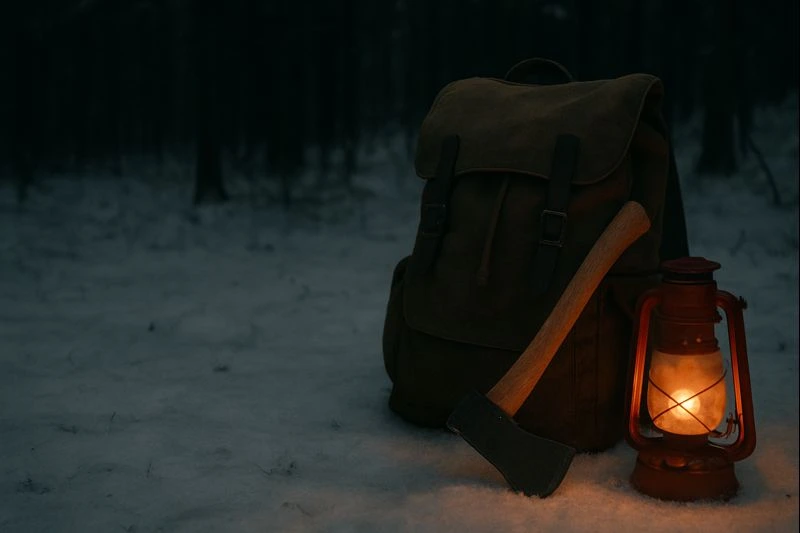
Cold-Weather Bushcraft Techniques: Preparing the Mind Before the Hands
Winter is a beautiful season, but from years of field experience, I know it is also a real challenge for survival. The biting cold, limited daylight, and unpredictable weather can turn even the simplest tasks into a daily struggle. When freezing temperatures and exhaustion affect your ability to think, move, and stay alive, risks like hypothermia and frostbite become very real. This is where Bushcraft techniques become essential, helping you adapt, conserve energy, and use the environment to your advantage. Add the scarcity of resources, and winter survival reveals its serious dangers, placing a tough mental layer over every outdoor adventure. From my own cold camps, I’ve learned that staying calm and observant matters as much as fire and shelter.
What truly makes the difference is understanding how vital it is to prepare with the right gear, proven Bushcraft techniques, and a strong, positive mindset before stepping into winter bushcraft camping. Whether I’m out with family or heading solo, I rely on a clear plan to navigate the challenges of the winter season with quiet confidence—because in the cold, preparation—not luck—is what keeps you standing when nature tries to push you down.
Understanding Winter Bushcraft Techniques Basics
From Surviving to Thriving with Winter Bushcraft Techniques
In winter bushcraft, the real lesson I learned early is that survival is only the starting point; real skill lies in thriving in a harsh environment through effective Bushcraft techniques. Snow and ice introduce unique obstacles, turning simple tasks into complicated work, and that’s what makes this a completely different challenge compared to other seasons. Strong preparation and the right mindset help you endure extreme cold by working with natural elements rather than against them. From experience, staying warm, dry, and well-fed matters more than simply building shelter or starting a fire, because poor decisions in winter bushcraft can quickly turn small problems into serious dangers.
What keeps you safe is knowing the land ahead of time and applying sound Bushcraft techniques to stay aware of hazards, limits, and potential problems before they spiral out of control. I always keep an exit plan, because being tough without thinking leads to unnecessary mistakes. Staying focused beyond basic survival helps prevent bad calls and lets you make the most of what the environment provides. Winter bushcraft isn’t about pushing blindly; it’s about staying sharp, respecting the conditions, and knowing when to move on.
Key Winter Survival Gear for Bushcraft Techniques
Essential Gear for Staying Safe and Warm Using Bushcraft Techniques
When winter survival depends on preparation, having the right gear can make all the difference. In my experience, bushcraft isn’t just about skill—it’s about the mental readiness to face extreme conditions and apply reliable Bushcraft techniques. Insulated layers, waterproof outerwear, and gloves keep your hands warm without sacrificing dexterity, while boots and proper footwear keep your feet dry even in deep snow. Building a solid shelter becomes easier with sturdy rope, a hatchet, axe, knife, and saw, allowing you to cut branches or wood to create insulation against the wind and cold. These tools are essential, not optional, and help prevent your plans from failing in harsh winter weather.
Equally important are fire-starting essentials like a firesteel, ferro rod, lighters, or matches, as a hot meal or drink can restore energy and stabilize both your body and mind when applying effective Bushcraft techniques. Packing lightweight cooking tools and keeping your supplies organized ensures you always have a lifeline when temperatures drop. Proper layers and dependable gear allow you to stack challenges strategically, giving you the confidence to survive—and even thrive—in frozen conditions. Every task in the field, from building to hunting, becomes manageable with non-negotiable equipment, helping you work with the elements instead of being overwhelmed by them.
Essential Bushcraft Techniques for a Successful Winter Experience
Mastering Winter Survival with Bushcraft Techniques
In winter survival, having the right gear is only half the battle. The other half is knowing how to apply proven Bushcraft techniques to stay warm and safe in the cold wilderness. From my experience, staying alert to changing weather and working efficiently is just as critical as packing the right equipment. Simple routines, like preparing fire and shelter or rationing supplies, make a big difference when you’re facing harsh winter conditions.
Success in winter bushcraft comes from combining proper gear with effective Bushcraft techniques, reducing the effort needed to survive and allowing you to focus on the other essential aspects of your adventure. Understanding the environment, timing your actions, and using what you have efficiently turns the struggle against the elements into a manageable challenge, making every moment safer, more productive, and rewarding.
Building a Winter Survival Shelter with Bushcraft Techniques
Creating a Solid Winter Shelter Using Bushcraft Techniques
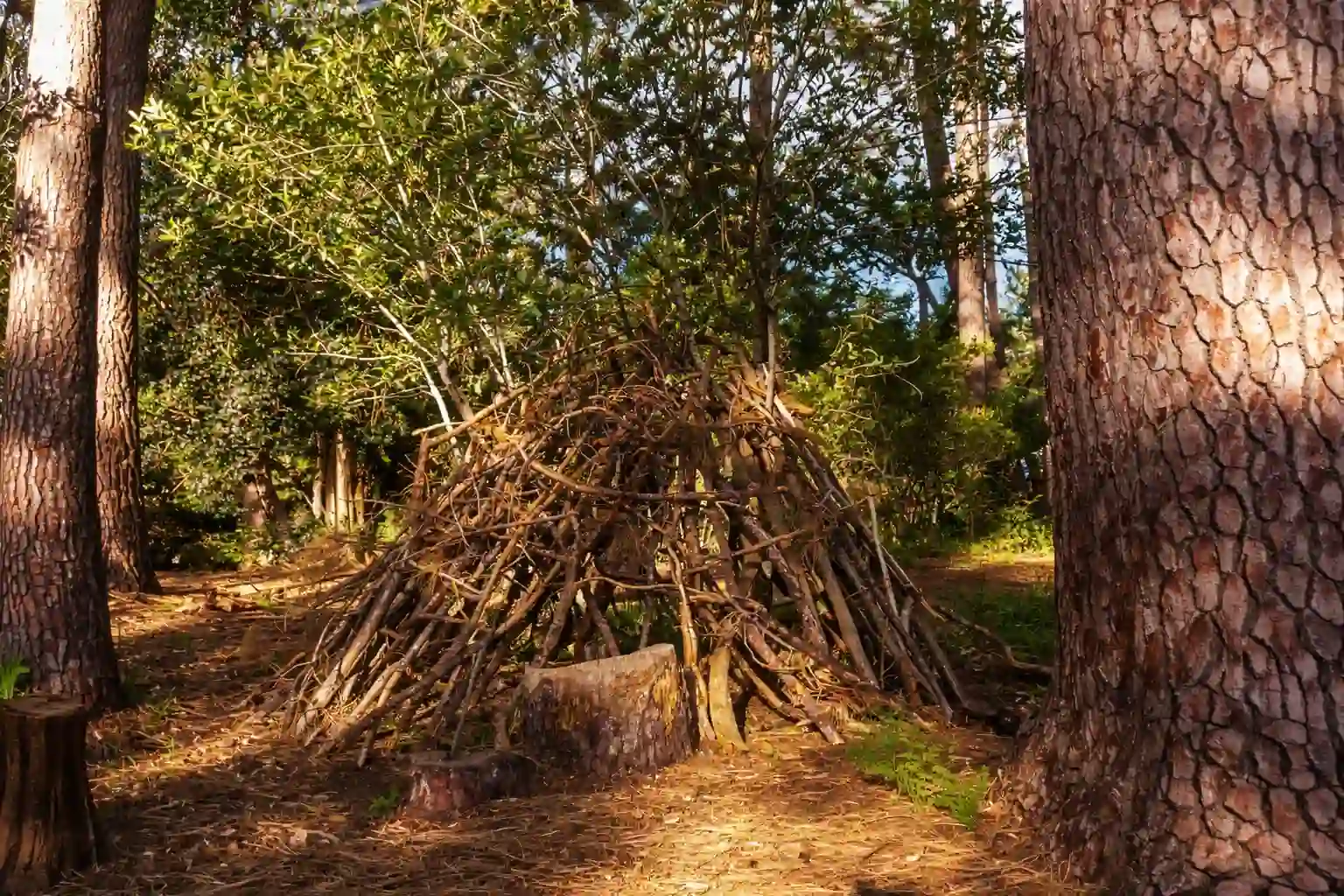
When it comes to winter survival, a solid shelter is your first line of defense against the wind and cold. From my bushcraft experience, applying proper Bushcraft techniques to pick the right spot—near water sources and natural windbreaks like trees or hills—can make all the difference. Using branches, snow, or any available gear for insulation helps trap heat while keeping you safe and comfortable. Lean-tos, tarp shelters, and snow caves can all work if built correctly, and knowing how to set them up gives a huge advantage when enduring harsh conditions.
Even out in the wilderness, a few things matter most: use what’s around you wisely, shield yourself from wind, and deal with the cold efficiently. Really knowing the lay of the land and nearby water sources ensures you can find the best spot and stay prepared. Every shelter can make the difference between a challenging night and a manageable camping experience in winter, turning survival into a skillful and controlled part of your Bushcraft techniques.
Cold Weather Fire Starting Bushcraft Techniques
Mastering Fire in Winter Conditions with Bushcraft Techniques
In winter survival, fire is not just useful—it’s essential. It provides warmth, cooks food, protects against predators, and even acts as a signal for help. Starting a fire in snowy or damp conditions can be tricky, but nature often helps. Dry bark, resinous woods like pine, and dead branches found under the snow make excellent tinder and kindling. From my own experience, applying proper Bushcraft techniques to keep these materials dry and ready on hand can turn a tough night into a safe and comfortable one.
A proper firestarter kit is a must. Tools like a firesteel, a knife with a ferro rod, or a magnesium block can work wonders, even in wet conditions. Using what’s available, like bark and branches, while keeping your kit ready with tinder and kindling, is where solid Bushcraft techniques come into play, giving you the best chance of starting a reliable fire. Every piece of equipment used correctly can be the difference between surviving the cold winter and struggling through it.
Water and Food Survival Strategies in Winter Using Bushcraft Techniques
Staying Hydrated and Energized in the Cold with Bushcraft Techniques
Finding water in winter can be challenging, and avoiding dehydration is crucial for survival in freezing conditions. Snow, ice, and streams are common sources, but knowing how to identify safe sources is where effective Bushcraft techniques make a difference. Running water is usually safer than stagnant pools, as moving water is less likely to harbor bacteria or pathogens. Once you find water, purifying it by boiling ensures it’s safe for use. Covered or frozen areas may require extra effort, but even some melted snow or ice can provide life-saving hydration if collected carefully.
Foraging for food in winter becomes more difficult, but it’s not impossible. Small game like rabbits and squirrels or trapping animals can provide protein, while edible plants like wintergreen berries, nuts, and pine needles can supplement your diet—pine needles are even good for making tea. Keeping energy levels up with calorie-dense food fuels your body and mind for the cold. Luck can help you spot these sources, but knowing how to find, identify, and use what’s beneath the snow through proper Bushcraft techniques is key, making your winter survival more manageable and effective.
Navigating and Traveling in Harsh Winter Conditions with Bushcraft Techniques
Moving Safely Across Snowy Terrain with Bushcraft Techniques
Winter terrain can be brutal, with snow-covered landscapes burning your energy fast if you’re not careful. Traveling through deep snow requires strategies to conserve energy—move slowly and use tools like snowshoes or trekking poles to distribute weight and ease the burden on your legs. Navigation in such conditions can be tricky, especially when landmarks are covered in snow. Relying on a compass or GPS is essential, but applying reliable Bushcraft techniques, like reading the landscape for natural markers, can help you stay on track when technology fails.
Traveling at night demands even more caution. Temperatures drop further after dark, and the cold can drain your energy quickly if you don’t manage it properly. Always know how to apply your tools and Bushcraft techniques, like planning routes after scouting the landscape, to make your winter survival more controlled and safe. Being cautious and prepared becomes the key to moving efficiently on harsh winter terrain, turning challenging travel into a manageable and skillful experience.
Winter Survival Tips for Emergency Preparedness and Mental Resilience with Bushcraft Techniques
Staying Ready and Mentally Strong in Winter with Bushcraft Techniques
In winter bushcraft, surviving isn’t just a physical game—it’s equally mental. Having a plan in place can make things smoother, especially when conditions are harsh and help might take longer to arrive. I always carry an emergency kit with essentials like fire-starting gear, a signal mirror, and food rations. Applying solid Bushcraft techniques and being prepared to hunker down for the long haul gives you confidence and can significantly improve your ability to stay safe in unpredictable winter environments.
Plan, preparation, and mindset are key. Always make sure you know how to use your gear, carry what’s necessary, and stay fully aware of potential challenges. In my experience, having the right tools, a clear plan, and applying effective Bushcraft techniques ensures that winter bushcraft doesn’t just test your physical abilities but also strengthens your resolve and resilience, helping you handle whatever comes your way.








Leave a Reply